Q3 Board Brief | Your 2027 Budget Is Probably Already Wrong


Subscribe: The Board Brief
Quarterly, practical guidance for HOA boards & PMs. One educational email a quarter. That's it.
Your 2027 Budget Is Probably Already Wrong
Q3 2026 Board Brief | Paul Reeves, President & CEO, Reeves Construction Advisors
Budget season is here. Between now and November, your board will put a number next to every project planned for 2027. Painting. Siding. Dry rot repair. Roofing.
That number will follow you all year. It decides what gets fixed, what gets deferred, and whether next spring goes smoothly or turns into an emergency meeting.
So it is worth asking a simple question. Where does that number usually come from?
.jpeg)
“The budget is the biggest project decision a board makes all year. And most boards make it with the least information they will have all year.”
Where budget numbers really come from
In my experience, the project number in most HOA budgets comes from one of three places.
Last year's budget, plus a percentage. A reserve study line item written years ago by someone who never opened a wall. Or a ballpark figure a contractor mentioned once, without a scope, without a site walk, without any obligation to stand behind it.
None of those are real numbers. They are guesses with decimal points.
The property doesn't care what the spreadsheet says. Dry rot kept spreading all year. Water found new paths behind the siding. The deferred items from last year's budget got more expensive, not less. A number written without looking at any of that is wrong on the day it is approved. The board just doesn't find out until spring.
What the guess costs in spring
Here is how it plays out. The board approves the budget in November. In March, the project goes out to bid. The bids come back, and they are nowhere near the number.
I have seen bids on the same project come in at double the price from one contractor to the next. When your budget was built on a guess, you can't tell which bid is real and which one is fishing. You have no scope to compare them against. The lowest number wins, and the change orders start the day the crew finds what the budget never accounted for.
At that point the board has three options, and none of them are good.
Defer the project. The damage compounds, and a $60,000 repair keeps marching toward becoming a $200,000 emergency.
Cut the scope. Do half the job now, and pay more later to mobilize a contractor a second time for the other half.
Or go back to homeowners for a special assessment. And every homeowner at that meeting asks the same fair question. How did the board get the number this wrong?
That last question matters more than boards realize. Directors have a fiduciary duty to make informed decisions with the association's money. A budget built on a verified scope is easy to defend. A budget built on last year's guess is not.
The fix is boring, and it works
You don't need a bigger budget. You need a real number.
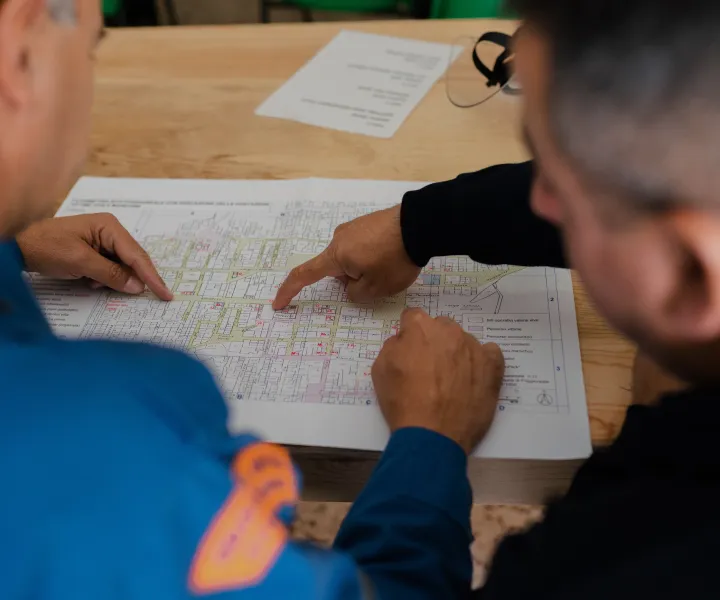
A real number starts with someone walking the property this fall, before the budget is approved. Looking at the actual condition of the siding, the decks, the paint, the roofs. Writing down what the work really involves. Then putting a cost against that scope based on what this work actually bids at in this market, right now.
That's it. That is the whole fix. It is not complicated. It is just earlier than most boards think to do it.
When the bids come in next spring against a real scope, you can compare them line by line. You know which bid is real. You know where the number came from. And when a homeowner asks how the board arrived at the budget, there is a clean answer: we had the property walked and scoped before we approved it.
That last point is worth underlining. A scope written now does double duty. It gives you a defensible budget this fall, and it becomes the foundation of your RFP in the spring. You pay for clarity once and use it twice.
Three questions for your next board meeting
If you bring one thing from this brief into your budget discussion, bring these.
Where did the number in our draft budget actually come from? Has anyone walked the property since that number was written? And if bids come in 40 percent over next spring, what is our plan?
If the room goes quiet on the first two questions, the third one stops being hypothetical.
Lock in a number you can defend
Book a budget reality check before the vote
A budget reality check is a short engagement. I walk the property, write an independent scope, and give your board a 2027 number built on what is actually there. Before the vote, not after the bids.
Book a Call with Paul916-805-9809 | reevesadvisors.com